Navigating Access Changes Late in the Hunting Season
Hunting enthusiasts often make a mistake during the late season: they think that if a public land area is open for hunting then every way in must also be open.. This is not always true. Things like closures logging work or conservation efforts can block certain paths even though hunting season is still on. Of forcing your way through a locked gate or depending on old maps it's better to stay aware and change your plan when needed.
Understanding Access vs. Hunting Seasons
Hunting season dates tell you when you can hunt an animal.. Those dates don't say anything about where you can park or which trails are still open. There are many reasons access might change-some have nothing to do with hunting all. For example roads may be closed because of weather or a trail could be off-limits due to habitat improvement.
Before you leave home take time to check the updates for the area you plan to visit. Look for information about road closures, legal parking zones and any rules about walking trails. Weather conditions or land management projects can affect these paths. The best place to get details is an official agency website, a posted notice or a current map layer. While old paper maps help give you an idea of the land they should never be your only source for up-to-date access information.
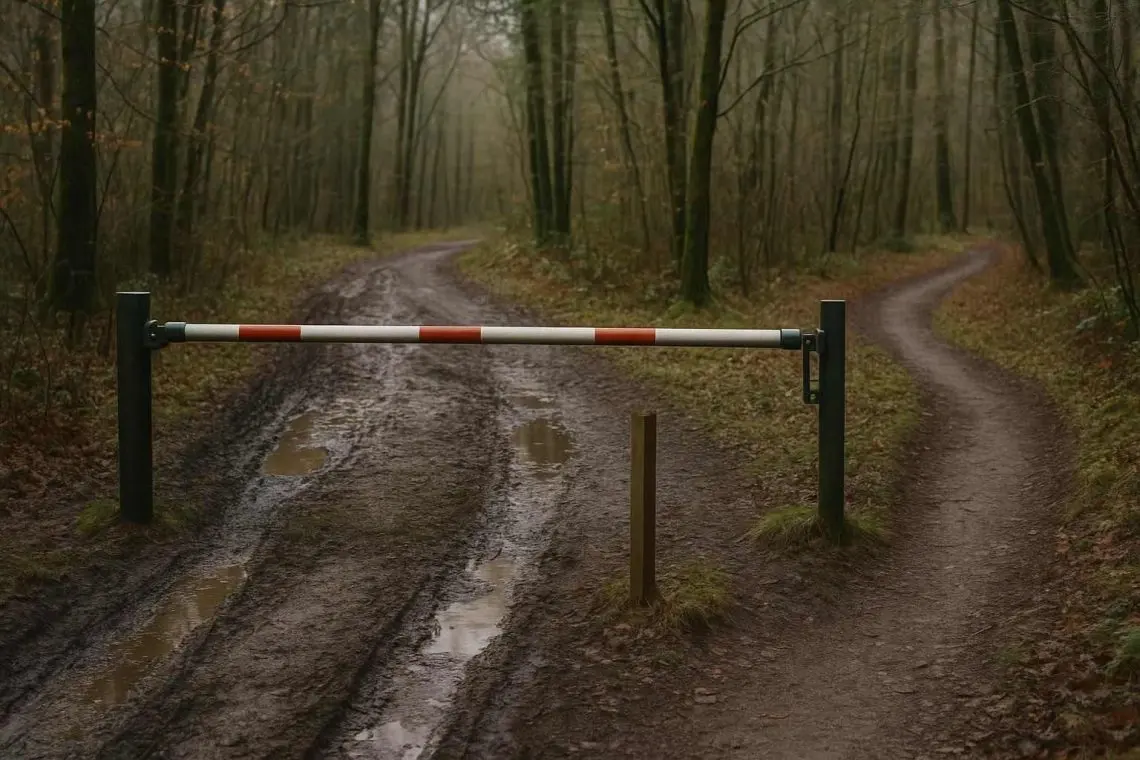
It's important to read the access rules. Phrases like "closed to vehicles" and "closed to entry" mean things. If you see a gate marked for use that doesn't mean you're allowed to drive down the road behind it. When you're unsure about what the rulesre don't assume-you should contact the land managing agency directly. It's better to ask than to risk breaking a rule.
Prepare for Access Issues in Low-Signal Areas
Technology helps us find our way. Smartphone maps sometimes show roads that are no longer usable. A good way to prepare is to download the recent maps and notices before leaving home. Also bring a printed copy of details-like the name of the property and the phone number or email address of the managing agency. These paper backups can be very useful if your phone dies or loses signal.
Don't just focus on where you want to end up. Pay attention to the points along the way where decisions matter. Make sure you know where legal parking spots are, where alternate trailheads begin and how boundaries run. It's easy to think a route is okay only to discover later that it goes through land or crosses into a restricted zone.
Making a checklist can help you stay organized:
– Confirm the season and legal hunting methods for your target species.
– Check the managing agency's latest notices for any changes to access.
– Make sure each entry point matches the correct ownership and boundaries.
– Find out where vehicle access stops and foot travel begins.
– Have a legal spot ready in case the first one isn't accessible.
– Review entrance signs before going further.
By planning your access you avoid trespassing keep clear of fines and reduce your impact on wildlife.
Identify Alternative Routes Ahead of Time
Choosing a route isn't just about finding the closest parking. Think about whether the path has boundaries if access is allowed, if it avoids restricted areas and how safe the trail is-especially if daylight is fading.
Sometimes a road is blocked,. A footpath nearby stays open. You might need to walk than you planned. Consider how extra time it will take and how much light will be left. If the hike means you'll be moving fast with visibility it may be smarter to pick a different location instead of taking a risky chance.
Always remember: just because a neighboring piece of land looks open does not mean you can use it. Different parcels- properties, leased land, wildlife refuges and city-owned plots-are usually governed by different access laws. Even if a public route ends at a fence that doesn't let you cross onto someone 's property. What one hunter's GPS says doesn't count as right of entry.
Embrace Conservation Closures as Necessary Adjustments
Closures are often put in place to protect animals during periods-like winter feeding times or nesting seasons. Trying to go around these closures weakens the purpose behind them. It also brings up questions about how we approach hunting.
When some areas are off limits wildlife tends to gather near the remaining ones. Of crowding these spots because they're convenient choose to act ethically. Give hunters space and respect quiet zones. If your presence could stress animals much step back and look elsewhere.
Use sources as your guide-not as something to ignore. If a road is closed some agencies allow people to walk on trails. In cases stick strictly to the marked paths. Don't try to make shortcuts or cut corners.
Verify Conditions on Arrival
When you finally reach a gate or access point the situation on the ground might differ from what you expected. Maybe a new sign has been posted that contradicts what you downloaded.. Perhaps fallen trees, construction or other obstacles block a road that looked open. Always. Assess the scene. If you're not sure about the route or if permission is granted it's safer to wait until you can confirm.
If you see signs or barriers that're unclear or damaged write down what you saw and report it to the managing agency. Avoid moving barriers or posting your opinions online-it can create confusion and make things harder for others.
Good hunting, in the season depends less on finding shortcuts and more on making sure your choices are legal and sustainable. With planning and an open mind you help protect both your experience and the future availability of public lands.