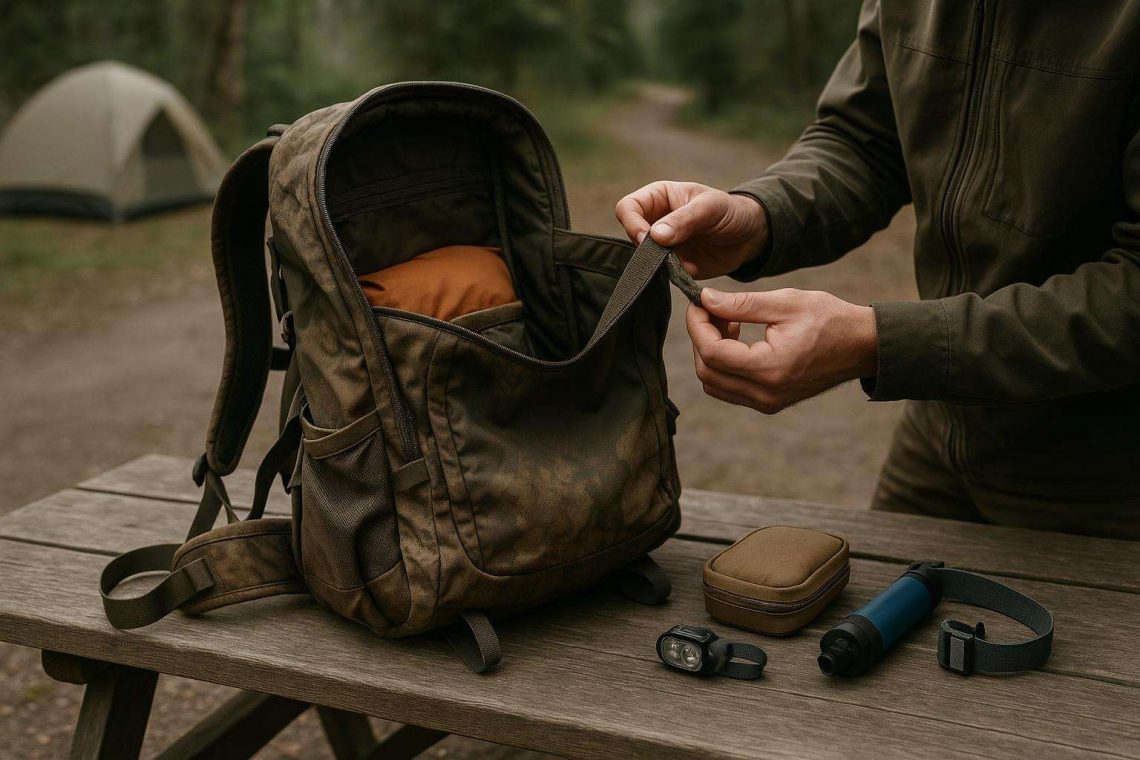
A lighter pack is not automatically a pack. Expensive equipment does not remove the need, for judgment. The real question is this: does each item work, fit the conditions and can it be used without causing a problem? A quick outdoor gear audit helps catch issues like failing straps, flat batteries, bad clothing or missing essentials-before they become serious. It also helps separate preparedness from weight carried out of habit.
Start with the day not the equipment
Start by describing the outing in words. Think about expected duration, terrain, weather, daylight, communication options, water access and how far you are from help. A short walk on ground needs gear than a long trip through rough country. Even if both are called a hunting trip the needs can be very different.
Then think about what could go. A wet layer, an ankle or a dead phone might be annoying near a car.. If you're hours away those small problems can become dangers. Your gear should focus on the risks not every worst-case scenario you can come up with.
That's where lighter hiking gear makes sense. Cut out tools, bulky packaging and clothing that can't be layered.. Keep items that help with warmth, navigation, hydration, first aid and communication. Weight savings only matter when they come from choices. They are not savings if they take away a way to stay warm find your way or call for help.
Inspect the quiet failure points
Most gear problems show signs before they fail completely. Look for webbing, loose stitching cracked plastic, leaking seals, corroded battery contacts or zippers that catch. Check boots with compressed soles. Test rain shells to see if they still shed water. See if headlamps flicker when you move the housing.
Handle every item. Don't just trust your memory. Open the first-aid kit. Replace anything used damp or expired. Turn on every light. Check batteries. Keep replacements dry. Test the charging cable or power bank you actually plan to bring. If a map is folded into a mess a compass is unfamiliar. A navigation device hasn't been updated or practiced packing it doesn't solve the problem.
Water systems need their check. Look for leaks, odors, cracks or blocked flow in bottles, reservoirs and filters. Make sure your treatment method matches the water sources and trip length. Always carry a backup if a filter failure would leave you without water. Don't assume a container is clean just because it looks clean.
Use a field safety checklist that earns its space
A checklist is helpful only if it's short enough to use and specific enough to catch mistakes. Before you leave make sure these things are checked:
– Weather- layers, rain protection and a way to keep items dry.
– Water and food for the planned time away. Include a treatment method where needed.
– Navigation tools, a charged communication device and a power source or spare batteries.
– Aid suited to the trip, personal medications and emergency contact details.
– A light source, fire-starting method where allowed and basic repair supplies.
– Eye and hearing protection, blaze clothing or required gear and safe transport for equipment.
– Permits, identification, tags and any required documentation for the area and activity.
The last one is easy to forget. Rules change by place, season, species, method and location. Check regulations with the agency before you go. This includes licensing, legal equipment, access rules, reporting, fire bans, bait rules, vehicle use and camping limits. A rule you remember is not the same as a rule that's current.
Let safety and ethics shape the load
Preparedness starts before you pack anything. Tell a person where you are going when you expect to return and what to do if you don't show up on time. Choose a route that matches your fitness and experience. Set a turnaround point before weather, darkness or tiredness makes decisions emotional.
For hunting the right gear supports identification, restraint and recovery-not speed or show. Carry what you can use safely and legally. If visibility, target ID or backstop conditions are unclear don't take the shot. A clean opportunity is never better when pressure to fill a tag makes it risky.
Outdoor ethics also apply to the ground under your boots. Stick to paths when required. Avoid habitats. Pack out everything you bring in. Keep food and waste secure. Respect closures and private property. Leave gates, blinds and camps as rules or land managers require. Conservation is not separate from preparation. Knowing where you can go what you can. What you should leave untouched is part of a field plan.
Decide what should be repaired, replaced or left behind
Make a three-part choice for every item that's questionable. Repair it if the damage is small the fix is solid. You can test it before the trip. Replace it if failure could affect warmth, water, navigation, communication or safety and the item is damaged beyond fixing. Leave it behind if it's unnecessary not right for the forecast or only packed because it was always there.
Don't delay an issue just because the trip is short. A torn rain shell, an medical supply or a weak battery can become much worse when conditions change. At the time don't buy your way out of uncertainty. Practice with navigation, layering, water treatment and communication tools at home. Familiarity reduces both weight and mistakes.
After the trip do another gear check. Dry wet items completely. Clean mud, from zippers, buckles and fasteners.. Remove batteries as needed. Note what was used or damaged. This small habit turns a scramble into a routine.
A good audit leaves you with clutter and fewer surprises. The goal is not to carry every answer into the woods. It's to spot the problems prepare for them without much and make choices that protect people, wildlife and the places that make outdoor time possible.
